How Regenerative Agriculture Can Secure Food and Bolster Climate Resilience
From redesigning products to embracing renewable energy and implementing circular business models, companies are undertaking multifaceted approaches to reduce their carbon footprint. Let's delve into some leading strategies being employed by corporations worldwide.
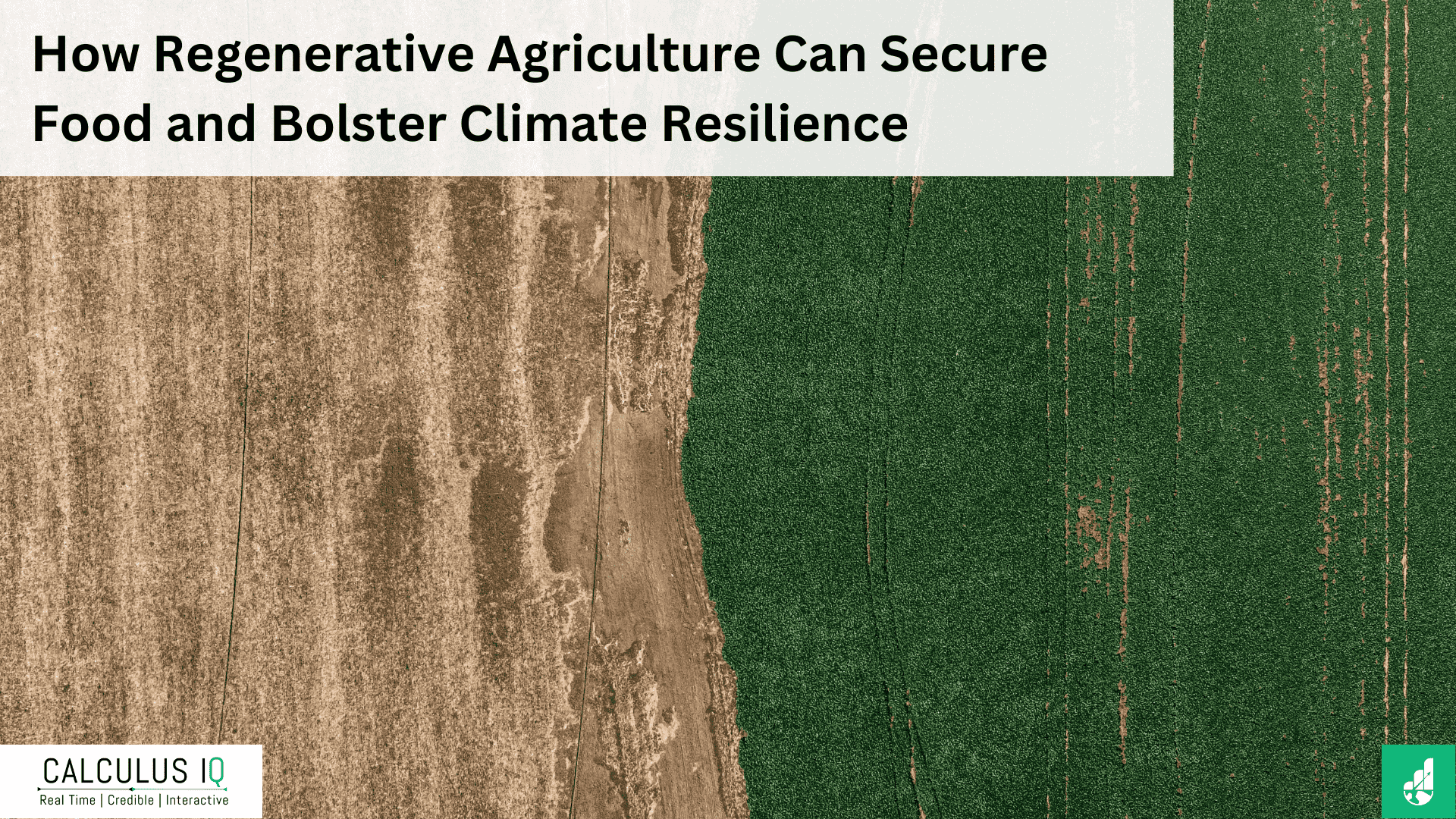
As climate change and food security concerns intensify, regenerative agriculture is emerging as a promising solution to address these critical issues. By focusing on sustainable farming practices, regenerative agriculture aims to restore soil health, enhance biodiversity, and improve water cycles, ultimately leading to a more resilient and secure food system.
Mitigating Climate Change Through Sustainable Practices
The shift towards regenerative agriculture presents a significant opportunity to mitigate climate change. This approach involves practices such as crop rotation, cover cropping, reduced tillage, and agroforestry, which help sequester carbon in the soil and reduce greenhouse gas emissions. Transitioning to a sustainable food system is essential, given the continuous demand for high-yielding crops. Sustainable practices not only enhance soil fertility but also contribute to long-term agricultural productivity, thereby supporting both the environment and food security.
Enhancing Farmers' Income and Market Access
Regenerative agriculture has the potential to increase farmers' income and improve their access to markets. By adopting sustainable practices, farmers can produce higher-quality crops that meet the growing demand for environmentally friendly products. Additionally, the private sector plays a crucial role in financing sustainable food supply chains. Through investments in regenerative agriculture, businesses can help farmers transition to more sustainable practices, ultimately leading to more robust and resilient agricultural systems.
Reducing Supply Chain Emissions
The food industry holds significant leverage over supply chain emissions, particularly Scope 3 emissions, which include all indirect emissions that occur in a company’s value chain. Regenerative agriculture offers a viable solution to reduce these emissions. By promoting sustainable practices across the supply chain, companies can decrease their overall carbon footprint and contribute to global climate goals. This not only benefits the environment but also enhances the sustainability and credibility of the food industry.
Addressing Challenges in the Voluntary Carbon Market
While regenerative agriculture holds great promise, it also faces several challenges, particularly in the voluntary carbon market. Issues such as the integrity of nature-based solutions, technical challenges, and social concerns like land rights and the exploitation of small-scale farmers need to be addressed. Reform and improved standards are essential to harness the full potential of regenerative agriculture and ensure that the benefits accrue to local communities, especially farmers managing carbon assets. Long-term engagement projects and natural capital funds, which have a longer lifespan and mindset, can help overcome these challenges.
Transitioning to Regenerative Agriculture
The transition to regenerative agriculture requires a gradual and sustainable approach. Deep-rooted subsidies and policies promoting high-yield production pose significant obstacles. Moreover, the lack of investment in regenerative agriculture hinders its adoption. Volunteer markets and sustainable business cases from emerging markets can serve as potential sources of funding. Additionally, farmers face difficulties transitioning to agroforestry due to the long-term investment required and the need to forgo short-term income. Providing risk reduction incentives can promote the adoption of regenerative practices and support farmers during the transition period.
Promoting Traditional Crops for Climate Resilience
The Earth Millet Mission in Australia is an example of an initiative supporting local farmers and preserving traditional millet varieties. These crops offer nutritional and climate resilience benefits, making them valuable for addressing challenges like climate change and water scarcity. Promoting the status of traditional crops in local diets and scaling up their production can enhance food security and resilience in the face of environmental changes.
Conclusion
Regenerative agriculture represents a viable pathway to achieving climate resilience and food security. By fostering sustainable farming practices, enhancing farmers' income, and reducing supply chain emissions, it addresses some of the most pressing global challenges. However, overcoming the barriers to its adoption requires concerted efforts from policymakers, the private sector, and the agricultural community. With the right support and investment, regenerative agriculture can lead to a more sustainable and resilient future for all.